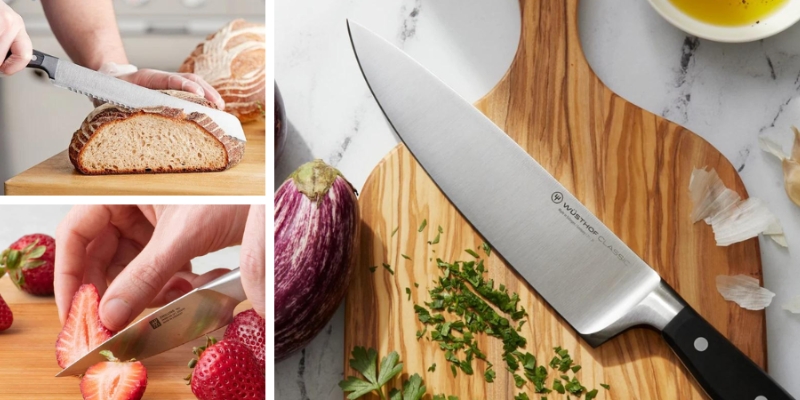
When you set up a home kitchen, you might be lured into purchasing one of those large 10- or 15-piece, or, if we are lucky, even 20-piece, knife sets. You will see that most chefs keep various types of kitchen knives for convenience. In actuality, smart home cooks use only three to five essential kitchen knives for most daily cooking tasks.
With the right knives, there is no work, and everything plays into preparing food. This guide introduces you to which knives are actually necessary for the average home kitchen, how each knife is utilized, and a process to build out your collection of knives without overspending.
The Reason You Don’t Need an Expansive Knife Set
Most knife sets include unique knives that you rarely use. You can do it all for general use—slicing open veggies, scaling meat and fish, cutting fruit, or hacking at bread—with just a few strategically selected knives.
Advantages of scalable meat kitchen knives:
- Saves money
- Takes less storage space
- Easier to maintain and sharpen
- Encourages better knife skills
- Reduces clutter in the kitchen
- The 5 Must-Have Kitchen Knives
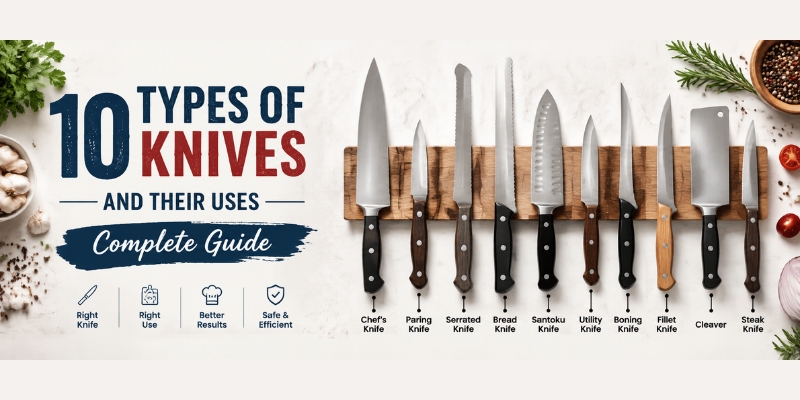
You do not need an expensive and large knife set to construct a practical home kitchen. However, most everyday cooking can be done quite well with just a handful of decent knives and some basic knife skills for chopping and similar tasks. From prepping vegetables and slicing meat to peeling fruit and cutting bread, these five knives below are the most practical options for home cooks. Depending on the different cutting tools used in your kitchen, you can choose suitable knives for yourself and make food preparation easier, faster, and safer.
1. Chef’s Knife (8-inch)
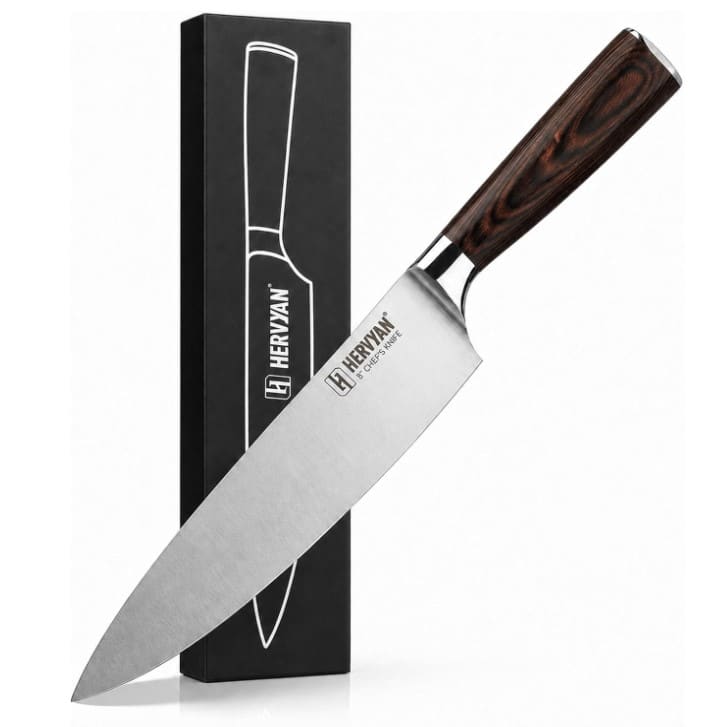
The chef knife is the most important and probably the most versatile knife found in any home kitchen. Thanks to its versatility, it has often been dubbed the workhorse of daily cooking because it can quickly and efficiently carry out a wide array of food prep jobs. No matter if you are whipping up a quick breakfast, family dinner, or something more elaborate, the chef knife is typically the knife that remains in your hand the longest.
A better chef knife has a curved blade that enables an easier and more comfortable rocking motion for chopping and slicing. It does an exceptional job with soft and firm ingredients, including all vegetables, fruits, herbs, meat, and most of the food types you use daily for cooking. This size and balance give better control than small knives, yet it is not so large that it misses out on precision.
In fact, for beginners and experienced cooks alike, an 8-inch chef's knife is usually viewed as the best all-around option. It's big enough to tackle most kitchen jobs, but not so big that it becomes unwieldy. A good knife can really change your cooking game—speeding up prep and making cutting safer and more efficient, too.
Convenient for:
- Chopping onions and other vegetables
- Slicing fruits and vegetables
- Dicing herbs and aromatics
- Cutting boneless meat and poultry
- Crushing garlic cloves
- Mincing herbs
- Portioning large ingredients
- General everyday food preparation
2. Paring Knife (3–4 inch)
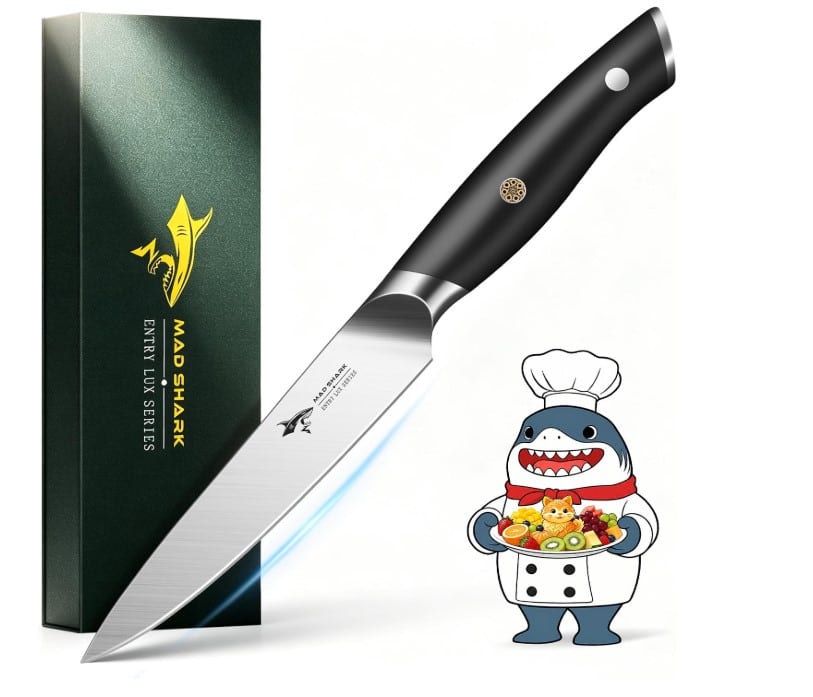
One of the most versatile "smaller" knives for your home kitchen is a paring knife, which is generally designed with precision cutting and delicate tasks in mind. A chef's knife is particularly effective for most big cutting tasks, but when it comes to small ingredients or fine cuts, the size can be intimidating and unwieldy instead of confidence-building. The short blade allows your hand to get closer or further away from the food you are preparing; when using a paring knife, it gives you greater precision.
This knife is ideal for peeling, trimming, shaping, and other precision tasks that require accuracy in the kitchen. It is used for fruits, vegetables, herbs & decorative garnishes. Its sharp tip helps in getting rid of blemishes, seeds, and other tiny bits that you might want to remove from ingredients.
Due to their versatility and ease of use, paring knives serve as the essential counterpart to the chef’s knife in many home kitchens. Most paring knives range from around 3.5 inches to about six, and a practical size for everyday use is around the three-and-a-half mark, as it gives you a decent balance between control when handling smaller items and not being too awkward/small in your hand.
Convenient for:
- Peeling fruits and vegetables
- Trimming strawberries and other berries
- Removing seeds and cores
- Cutting small garnishes
- Peeling potatoes
- Cut shrimp
- Removing blemishes from produce
- Slicing small fruits and vegetables
- Tasty, easy decorative cutting and garnishing of food
3. Serrated Bread Knife (8–10 inches)
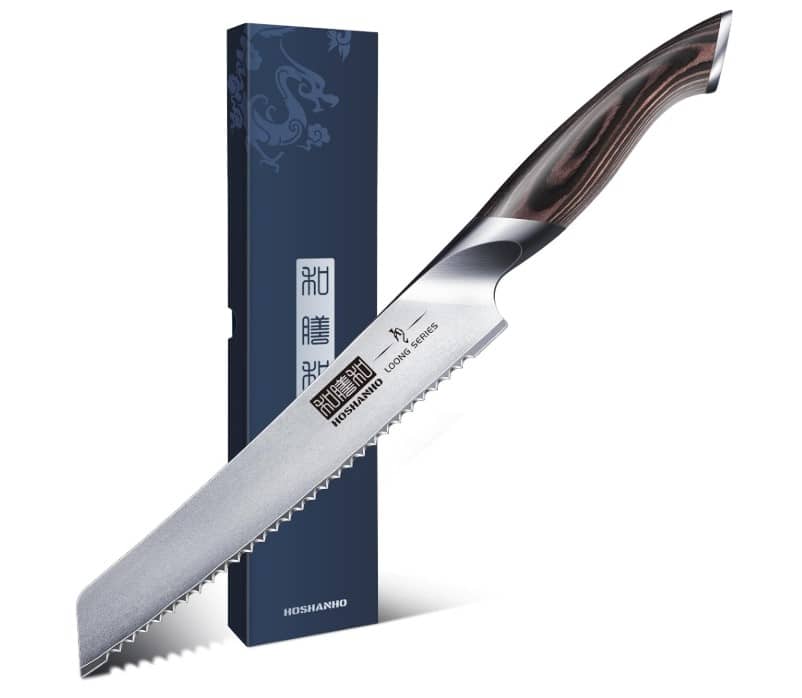
Bread knives are essential in any home kitchen, as they will tackle foods with a hard or crusty outside but soft and delicate insides. Whereas a straight-bladed knife applies hard pressure, efficient serration operates using an even sawing motion that grabs the top of your food and will easily slice through it without exerting undue force. This prevents crushing bread while slicing, tearing cake, and bruising soft fruits.
It is easy to think of it as just a bread knife, but this type of blade will also work for many other kitchen jobs. One continuous blade helps create even slices, and the serrations remain sharp longer than many straight-edged knives.
Even one sharpening of the knife will rarely be needed in a year. This is especially useful for foods that are too messy to cut cleanly with an ordinary chef's knife, like ripe tomatoes or soft pastries. If you're a home cook, getting a 9-inch serrated bread knife will allow you to reach that balance of the best combination of length and control for all your various slicing needs.
Convenient for:
- Bread and baguettes
- Sandwich loaves and rolls
- Cakes and pastries
- Tomatoes
- Examples include nectarines, peaches, and plums.
- Slicing layered cakes
- Cutting delicate baked goods
- Hard-skinned foods that are soft inside
4. Utility Knife (Optional)
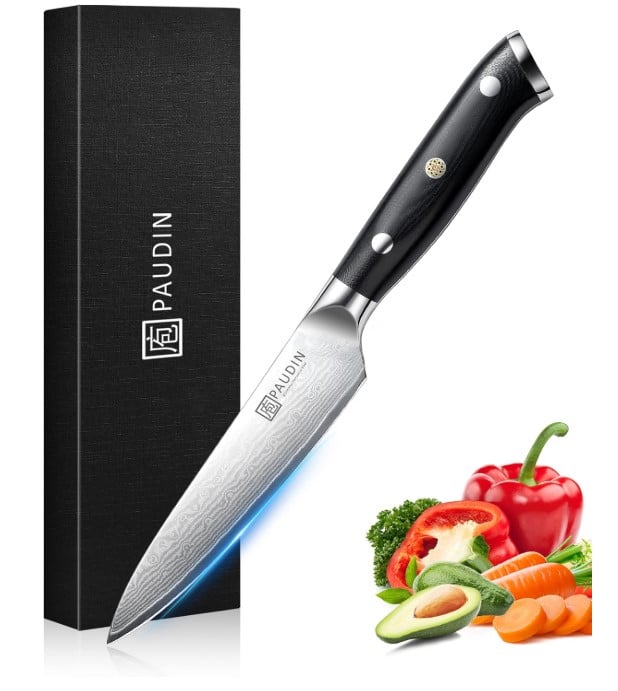
The knife is a mid-sized multi-purpose kitchen knife that lies between the large chef's and small paring knives in size and function. Many home cooks identify this knife as perfect for everyday activities when a chef's blade is too large and paring knives are inadequate. This utility blade is of medium size, offering a good balance of flexibility and grip to enhance any cooking experience—meaning it comes in handy for fast food preparation as well as light-duty cuts.
This knife is most commonly used for products that don’t need the chopping ability of a chef’s knife but still benefit from at least a 5-inch or longer blade than paring knives. It's great for making snacks, sandwiches, cheese, fruit, and smaller vegetables with ease to use since, when you do not want your larger knife out, it makes a fast kitchen choice.
A 5- or 6-inch utility knife is usually the best size for a home kitchen since it will have enough blade length to slice without being unwieldy.
Convenient for:
- Sandwiches
- Cheese
- Small vegetables
- Sausages
- Quick-cutting tasks
- Slicing fruits
- Trimming cooked meat
- Preparing snacks and lunch items
- Everyday light food preparation
5. Boning Knife (Optional)
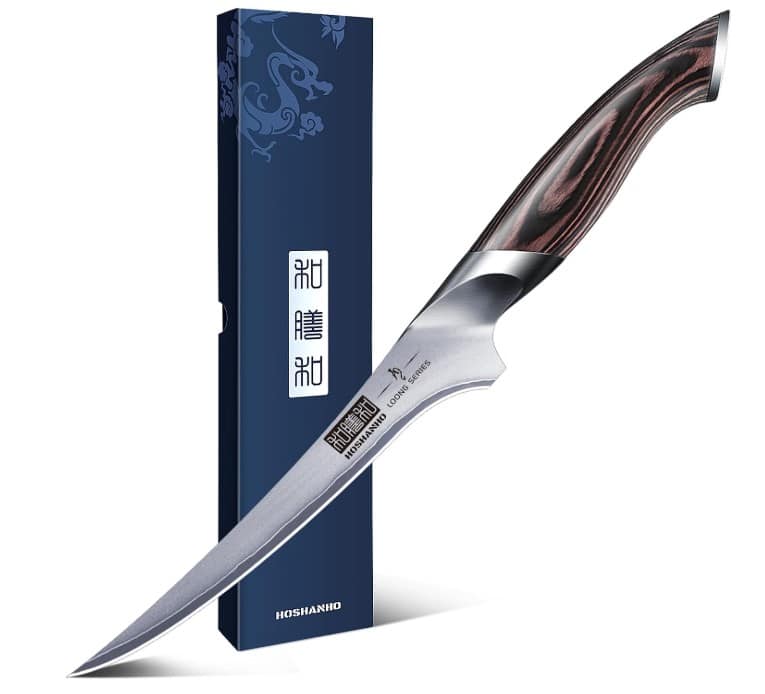
Introductory Boning Knife: A more proper version of a boning knife is a specialized cutting blade for natural meat, birds, or seafood products. It has a slim, razor-sharp blade that aids you in making incisions within millimeters of bone, joint, and connective tissue. This aids in minimizing waste and also promotes easier, cleaner separation of meat from the bone.
We have seen many cooks make the mistake of using whatever knife is closest. This kitchen mistake eats your energy, slows your cutting, and takes time. Many boning knives are lightweight with a flexible blade, which is most effective for fish, while stiffer ones tend to be preferred when working with poultry or larger cuts of meat.
If you are a home cook who buys whole chickens, fresh fish with skin that needs to be removed, and large cuts of meat on the bone frequently enough, then you will find your Boning knife very useful in the kitchen. It offers more control and accuracy while trimming fat, skinning, or cutting your meat before cooking than a chef's knife. However, this knife will not be a tool you desperately need and therefore can most likely skip if all the meat goes to grocery shopping ready-prepared or in boneless chunks.
Convenient for:
- Removing bones from chicken
- Filleting fish
- Trimming fat and silver skin
- De-skinning meat and fish
- Separating meat from joints
- Cleaning and preparing raw poultry
- Trimming connective tissue
- Marinating cuts of meat before cooking
Final Thoughts
So which knives are truly needed for most home kitchens? And if you are a home cook, the answer is straightforward.
- Chef (8-inch)—the main all-purpose knife
- Paring knife (3–4 inch) ~ Precision and peeling
- Bread serrated knife (8–10 inch)—All-purpose use Serration
These three knives cover 99% of everyday cooking duties. Forget the bulky knife block; spend your money on a couple of good knives that feel right in the hand and are easy to care for. The combination of a reliable chef's knife, paring knife, and bread knife will increase efficiency in your kitchen, make cooking more enjoyable for you as a home cook, and typically provide much better long-term value than many other types of knives.